



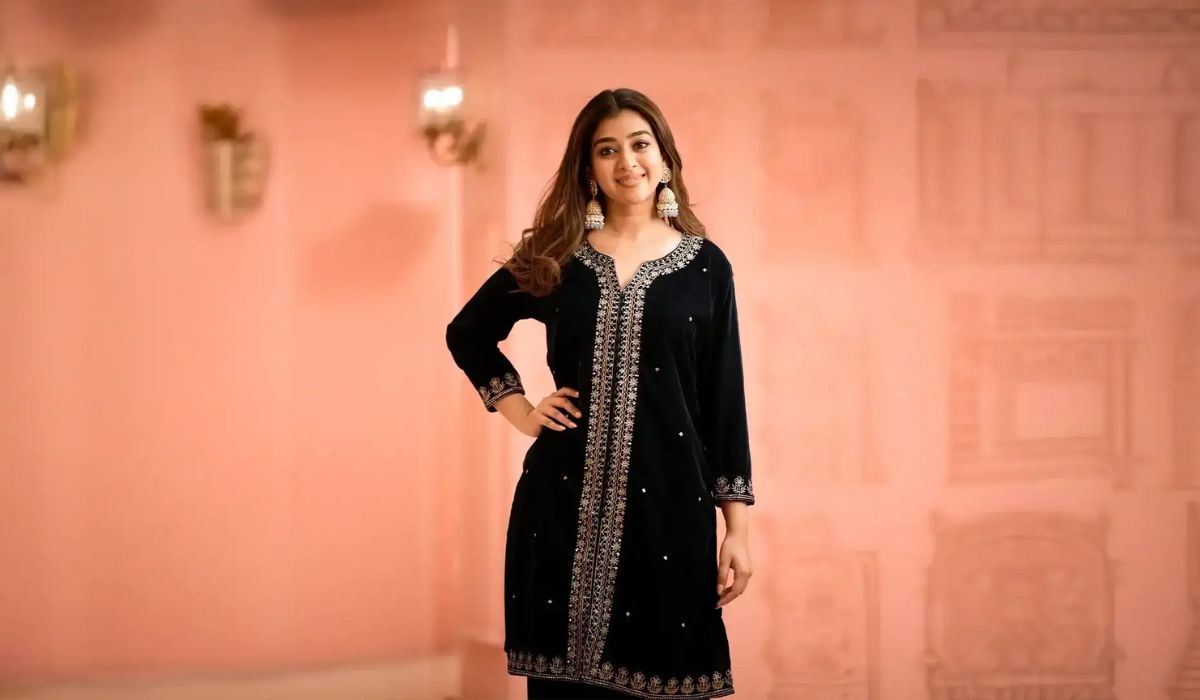

Some garments come and go with the seasons. They sit in your wardrobe for one wedding, one festival, one carefully planned occasion and then quietly retire to the back of the rail, overtaken by whatever trend arrived next. The Indian salwar suit is not one of those garments.
It has been worn by women across generations, across geographies, and across every kind of occasion imaginable. It has survived every wave of Western fashion influence, every shift in bridal trends, every reinvention of what “modern Indian dressing” is supposed to look like. And it has not just survived but it has thrived.
There’s a reason for that. Actually, there are several.
A Garment That Grew Up With Us
The salwar suit has a history that stretches back centuries, woven into the daily life and cultural fabric of the Indian subcontinent. What began as practical, comfortable everyday wear in the courts and villages of North India gradually spread across regions, absorbed local influences, and became one of the most universally worn garments in South Asia.
What’s remarkable is how it adapted without losing itself. The basic structure is a top, a trouser, a dupatta that stays consistent. But within that structure, it welcomed every regional identity. Punjab gave it the phulkari. Lucknow gave it the chikankari. Kashmir gave it the sozni embroidery. Each version felt local, personal, and distinct, yet unmistakably part of the same family.
That ability to absorb and reflect culture without losing its core identity is exactly what has kept the salwar suit relevant for so long.
The Everyday Uniform That Never Feels Like One
Ask most Indian women what they reach for on a regular morning, a day of errands, a visit to relatives, a casual afternoon out and the answer, more often than not, is a salwar suit. Not because it’s the default, but because it genuinely works.
It’s comfortable in a way that very few ethnic garments manage to be. It doesn’t restrict movement. It breathes. It doesn’t demand constant adjusting or careful sitting. In the relentless heat of an Indian summer, a cotton Indian salwar suit in a light, breathable fabric is one of the most sensible things a woman can wear — and it still looks pulled together, still looks intentional, still looks like someone who cares about how they dress.
That balance between comfort and appearance is genuinely rare, and it’s one of the core reasons this silhouette has never needed to fight for its place in the wardrobe.
Occasion-Proof by Nature
Here’s what sets the salwar suit apart from almost every other ethnic garment,it has no ceiling and no floor when it comes to occasion dressing.
A simple cotton kurta with straight-cut trousers and minimal embroidery is perfectly appropriate for a day at the office, a college campus, or a casual family lunch. Change the fabric to georgette, add some hand embroidery and a printed dupatta, and the same silhouette works beautifully for a festive dinner or a Diwali celebration. Dress it further in silk or velvet with zari work and heavier embellishment, and suddenly you have something that holds its own at a wedding reception.
No other garment travels quite so effortlessly between those worlds. The lehenga lives for weddings. The saree demands a certain occasion. But the salwar suit shows up everywhere and always manages to look exactly right.
A Fit for Every Body
One of the most quietly important things about the salwar suit is how genuinely flattering it is across different body types and how many variations exist within the category to suit different figures and preferences.
Straight-cut trousers paired with a long kurta create clean, elongating lines that work beautifully on most frames. Palazzo-style bottoms add drama and ease. Churidar trousers elongate the leg. Patiala salwars bring a relaxed, festive energy. The silhouette is flexible in a way that most garments simply aren’t.
And the kurti in the top half of the equation offers just as much variety. A long Anarkali-style kurti creates a flowy, romantic look. A shorter, straight kurti with side slits is sharp and modern. A curved hemline adds softness. A structured collar adds formality. The options are genuinely endless, and that means women of every height, shape, and personal style can find a version of the salwar suit that feels made for them.
The Regional Richness That Makes It Endlessly Interesting
Part of what keeps the salwar suit fresh, decade after decade, is how much variety exists within it. The Punjabi salwar suit is different from the Hyderabadi version. The Kashmiri style looks nothing like the Rajasthani one. Pakistani-influenced cuts bring their own distinct elegance to the silhouette.
This regional richness means you’re never really wearing the same thing twice even when you’re technically wearing the same garment. The embroidery traditions alone could fill a book. Chikankari from Lucknow, phulkari from Punjab, mirror work from Gujarat, block prints from Jaipur every style tells a different story, carries a different cultural weight, and creates a completely different visual experience.
For anyone who genuinely loves fashion, that depth of variety is endlessly exciting.
Timeless Without Being Stuck in Time
What separates a truly timeless garment from one that simply feels dated is the ability to evolve while staying true to its essence. The salwar suit has done this beautifully. Contemporary designers have reimagined it with asymmetric hemlines, fusion silhouettes, experimental fabrics, and unexpected colour combinations and it has absorbed all of it without losing what makes it recognisable itself.
Younger women who grew up on Western fashion are returning to it. Women in their fifties who never stopped wearing it are finding fresh versions they love. It bridges generations without asking either to compromise.
The Final Word
The Indian salwar suit has earned its place in the wardrobe the honest way,and by being genuinely useful, genuinely beautiful, and genuinely adaptable across every stage of a woman’s life. It doesn’t rely on trend cycles to stay relevant. It doesn’t need a specific occasion to justify wearing it.
It simply works. Every time, for every woman, for every moment that calls for something that feels both rooted and real. That’s not fashion. That’s something better than a garment that actually belongs to the people who wear it.