



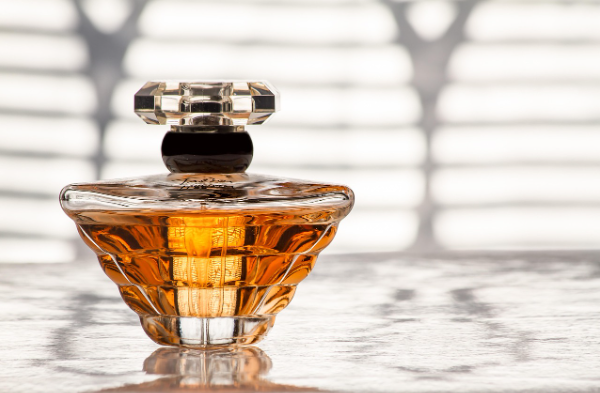

In Gulf countries, fragrance is considered an extension of one’s personality and a reflection of respect for others. Wearing perfume is not reserved for special occasions; it is a daily practice for both men and women. Applying fragrance before leaving the house is as essential as choosing the right clothing.
Hospitality traditions in the region also center around scent. When guests enter a home, they are often welcomed not only with Arabic coffee and dates but also with perfumed smoke from burning incense. This act symbolizes warmth, generosity, and honor.
Fragrance in the Gulf is also closely linked to religious and spiritual practices. Cleanliness and pleasant scent are highly valued in Islamic culture. Many people apply perfume before attending Friday prayers or religious gatherings, reinforcing the connection between purity and fragrance.
Bakhoor: The Heart of Gulf Fragrance Rituals
One of the most iconic elements of Gulf perfumery is bakhoor, a traditional incense made from wood chips soaked in fragrant oils. Oud, sandalwood, amber, musk, and floral essences are commonly used to create these aromatic blends.
During gatherings, a mabkhara (incense burner) is passed around so guests can perfume their clothes and hair with the scented smoke. The ritual is both social and symbolic it enhances the atmosphere and creates a shared sensory experience.
Bakhoor is also used daily in many households. Some families burn incense in the morning to scent their homes, while others use it before special occasions such as weddings, Eid celebrations, or formal events.
The scent of bakhoor lingers on fabrics for hours, sometimes days, making it a powerful and lasting part of personal presentation.
Oud: The Liquid Gold of the Middle East
Oud, derived from agarwood, is often referred to as “liquid gold” in the Gulf. It is one of the most prized and expensive perfume ingredients in the world. The deep, woody, slightly smoky scent of oud has become synonymous with Middle Eastern luxury.
In the Gulf, oud is used in multiple forms:
- Pure oud oil applied directly to the skin
- Oud-infused perfumes and sprays
- Oud chips burned as incense
Men in particular favor strong oud-based fragrances. The bold and rich profile of oud reflects confidence and prestige. It is common to layer oud oil under a spray perfume to create a more complex and long-lasting scent.
For those exploring options inspired by this tradition, you can discover curated selections of best fragrances for men that incorporate oud and other Middle Eastern notes.
The Art of Layering Fragrances
One of the defining features of Gulf perfumery rituals is the art of layering. Rather than wearing a single perfume, many people combine multiple scented products to create a unique signature aroma.
A typical layering routine might include:
- Scented body lotion or oil
- Concentrated perfume oil (often oud or musk)
- Spray perfume
- Bakhoor smoke applied to clothing
This technique enhances longevity and creates a multidimensional scent profile. Each layer complements the others, resulting in a fragrance that evolves throughout the day.
Layering also allows individuals to customize their scent depending on the occasion lighter combinations for daytime and richer, more intense blends for evening gatherings.
Fragrance as a Social Statement
In Gulf societies, fragrance can communicate status, taste, and sophistication. High-quality perfumes are often gifted during weddings, business meetings, and festive occasions. Exchanging perfume is considered a meaningful and elegant gesture.
Luxury perfume houses in the region create bespoke blends for elite clients. Customized perfumes, crafted with rare ingredients, reflect personal identity and exclusivity.
It is also common for families to have a “house scent,” especially when welcoming guests. The distinctive aroma of a home becomes associated with hospitality and comfort.
Gender and Fragrance Traditions
Unlike in many Western cultures, fragrance use in the Gulf is equally prominent among men and women. In fact, men often wear stronger and more noticeable scents than women.
Masculine Gulf fragrances typically feature:
- Oud
- Leather
- Amber
- Musk
- Spices such as saffron and cardamom
Women’s perfumes often incorporate:
- Rose
- Jasmine
- Vanilla
- White musk
- Amber blends
However, the line between masculine and feminine scents is more fluid than in other regions. Many fragrances are unisex, focusing on richness and depth rather than strict gender categories.
Weddings and Special Occasions
Perfume rituals reach their peak during weddings and major celebrations. Bridal preparations often include elaborate scenting ceremonies where the bride’s garments, hair, and even jewelry are perfumed with oud and bakhoor.
Guests also dress in their finest attire and apply luxurious fragrances as a sign of respect for the occasion. The air at such events becomes a complex tapestry of layered scents each guest contributing to the aromatic ambiance.
Perfume is frequently included in wedding gifts and trousseaux, symbolizing prosperity and beauty.
Modern Influences and Global Reach
While traditional practices remain strong, Gulf perfumery has also embraced modern influences. Regional perfume houses now blend Western perfumery techniques with Middle Eastern ingredients, creating globally sought-after fragrances.
Cities like Dubai and Riyadh have become international perfume hubs, hosting exhibitions and attracting luxury brands from around the world. Niche perfumery has gained popularity, with consumers seeking rare ingredients and artistic compositions.
Social media has further amplified the culture of fragrance. Influencers and collectors regularly review and showcase perfumes, contributing to a vibrant community of enthusiasts across the region.
The Spiritual and Emotional Dimension
Beyond aesthetics and luxury, fragrance in the Gulf carries emotional and spiritual depth. Scents evoke memories, family traditions, and cultural pride. The smell of bakhoor may remind someone of childhood gatherings, while a specific oud blend may recall a significant life event.
Fragrance is not merely worn it is experienced. It marks transitions, honors guests, celebrates milestones, and reinforces identity.
Perfumery rituals in the Gulf countries represent a rich blend of history, culture, and artistry. From the ceremonial burning of bakhoor to the meticulous layering of oud-based perfumes, fragrance is an integral part of daily life and social interaction.
More than a cosmetic accessory, scent in the Gulf embodies hospitality, respect, spirituality, and self-expression. As global interest in Middle Eastern perfumery continues to grow, these traditions remain a powerful reminder that fragrance is not just about smell it is about heritage, emotion, and connection.